Updated for 2026 — This article has been reviewed and updated with the latest recommendations.
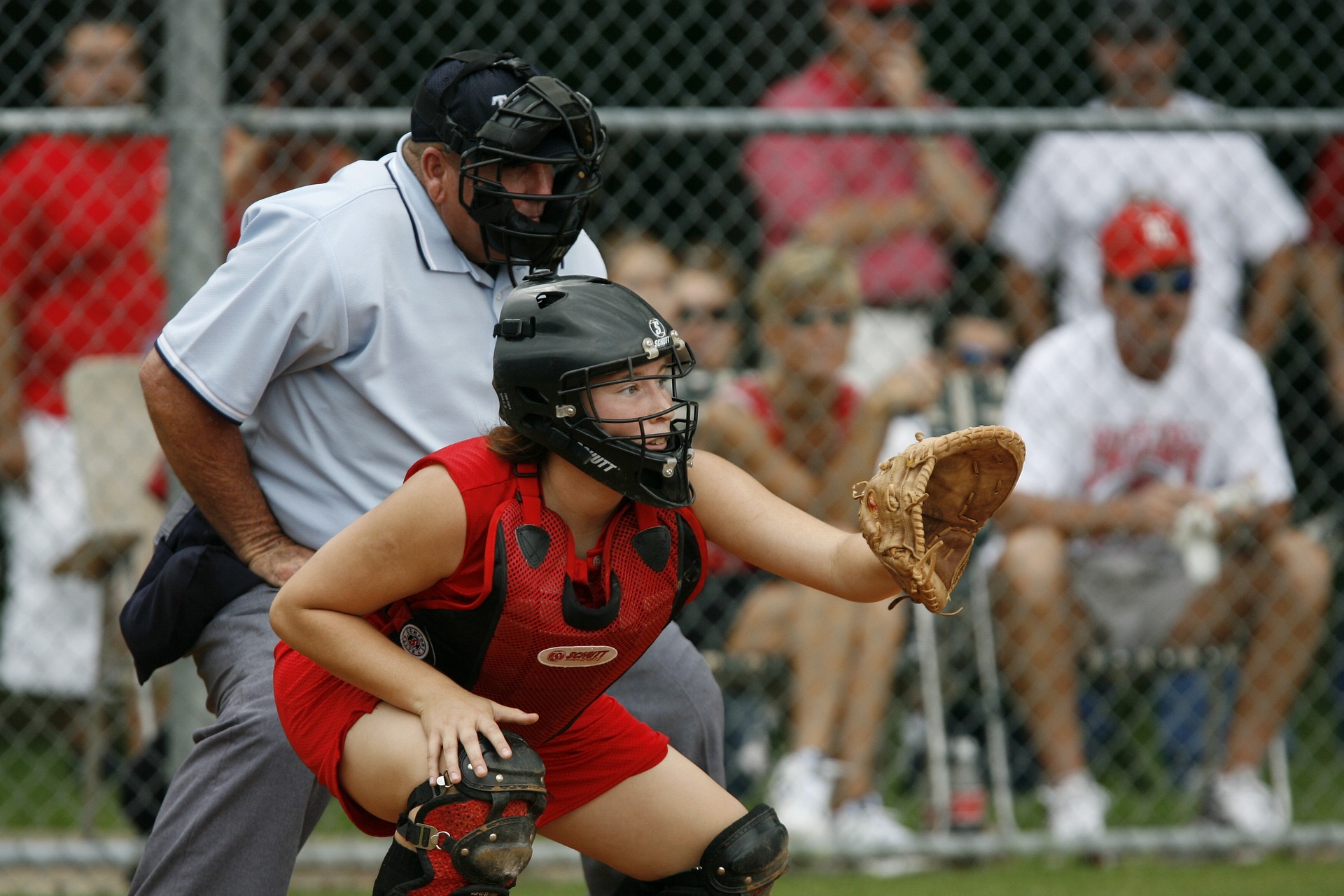
A youth catcher needs gear that protects without restricting movement. Softball catching gear must handle fast pitches, foul tips, and collisions at the plate while letting the player move quickly enough to block, throw, and receive effectively. Buying a complete set ensures all pieces match in sizing and protection level.
All-Star System 7 Axis
The System 7 Axis is widely regarded as the best youth catching gear available. The cage-style helmet provides excellent visibility and ventilation. The chest protector uses a flexible design that moves with the catcher rather than restricting them. The leg guards are lightweight with secure strap systems. The entire set is designed as a system so the pieces work together without gaps in protection.
Easton Jen Schro The Very Best
Designed in collaboration with professional catcher Jen Schroeder, this set addresses real-world catching needs. The chest protector sits close to the body without adding bulk. The leg guards use a triple-knee design for flexibility during blocking. The helmet provides full coverage with good sight lines. Available in multiple colors. A strong choice for competitive youth catchers.
Rawlings Velo 2.0
The Velo 2.0 offers solid protection at a mid-range price. The chest protector uses impact-absorbing padding that handles fast pitches comfortably. The leg guards are easy to put on and adjust. The matte finish helmet looks professional. For recreation league and early travel ball catchers, this set provides good protection without the premium price of top-tier options.
Proper Fit
Catching gear that does not fit properly leaves gaps in protection and restricts movement. The chest protector should cover from the collarbone to the waist without riding up. Leg guards should protect from above the knee to the top of the foot. The helmet should fit snugly without pressing on the forehead or temples. Try gear on before purchasing when possible, and check fit while in a receiving crouch to ensure the pieces do not shift or bind during actual catching positions.